


If you’ve ever sat down to start school and heard, “We’re not doing this today!” in a whiny voice, you’re not alone. Every homeschool parent eventually faces that moment when lessons meet resistance. You’ve spent time planning, printing, and organizing, only to be met with sighs, complaints, or maybe even tears. Motivating students can be hard.
It’s one of the most common challenges in homeschooling: kids who simply don’t want to do their work. And while it’s easy to feel frustrated or defeated, it’s important to remember that this resistance doesn’t mean your homeschool is failing. It just means your child is human and that there’s something underneath the behavior worth understanding.
The good news? Motivating students who resist schoolwork isn’t impossible.
With a few simple strategies and a mindset shift, you can help your child find their motivation again and rebuild a peaceful homeschool rhythm that works for both of you.
Let’s look at some parent-tested ideas to help when your homeschooler doesn’t want to do schoolwork.

Start with Connection, Not Correction
When it comes to motivating students, connection is the secret ingredient most parents overlook. Before diving into academics, take a moment to reconnect with your child.
When resistance flares up, it’s often less about the lesson and more about the relationship or emotional state behind it.
Sit together, share a snack, or chat about something light. That small act of connection helps kids feel seen and valued, which in turn makes them more willing to cooperate.
- Example: You might say something like, “I can see you’re not in the mood for school right now. Want to tell me what’s going on?”
Honestly, you’ll be surprised at what they may share. Sometimes kids need you to show you understand their feelings.
For instance, my son sometimes gets frustrated with certain high school subjects. I’ve been honest with him that some things we do are simply to keep his college options open or meet state homeschool requirements.
It helps that he sees I understand his frustration, and even I need to do things I don’t want to because of outside reasons.

Understand the “Why” Behind the Resistance
Every behavior has a reason, and understanding that reason is key to motivating students. Ask yourself: What’s really going on here?
- Are they overwhelmed or unsure how to start?
- Are they bored with the material?
- Do they feel disconnected or discouraged?
When you identify the root cause, you can tailor your approach. A child who’s overwhelmed may need smaller, bite-sized tasks. A bored child might thrive with creative projects. Motivating students begins with seeing the struggle as information, not defiance.
I know. It’s easier said than done.
Giving a Sense of Control is Motivating to Students
Many homeschool battles happen because kids feel powerless. One of the best ways to motivate students is by giving them choices.
This doesn’t mean letting them skip subjects. It means offering small bits of autonomy:
- Let them choose which subject to start with.
- Give them options for where to work: on the couch, at the table, or outside.
- Offer two different writing prompts or math games to pick from.
When students feel like they have a say in their learning, they’re more likely to engage and take ownership of their work.
I always tried to include my kiddos when I was picking out curriculum or different aspects of our homeschool.
Motivating Students by Breaking Tasks Into Small, Doable Steps
Motivating students often comes down to reducing overwhelm. Big assignments can feel impossible for a reluctant learner.
Instead of saying, “Do your writing,” break it into smaller steps:
- Brainstorm ideas.
- Write three sentences.
- Add one detail.
- Read it aloud.
Each small step helps your child see progress. Celebrate along the way by encouraging them with “You finished your first paragraph! Great job!” This boosts confidence and keeps momentum going.
I know it can be frustrating when you just want to get an assignment finished and move on. However, it may go much more quickly if you break things down rather than run into opposition.
Focus on Effort, Not Perfection
When your goal is motivating students, it’s crucial to shift your focus from outcomes to effort. Kids often resist schoolwork because they’re afraid of making mistakes.
Praise persistence and progress instead of perfection.
Try saying:
- “I love how you kept trying even when it was hard.”
- “You asked for help at the right time.”
Positive attention helps kids feel safe to learn and try again tomorrow. Over time, this builds self-confidence, and that’s the real key to motivation.
I worked for many years in special education, and I saw this problem with many students. Sometimes, starting something together and giving positive encouragement along the way can really help.
Connect Learning to Their Interests for Motivating Students
If your homeschooler seems uninterested, it may be because they don’t see the point. Motivating students gets much easier when lessons connect to their passions.
- Practice fractions while baking cookies.
- Write stories about their favorite video game character.
- Turn history into a themed family dinner night.
When kids see how learning connects to their interests and real life, their curiosity comes alive again.
And if possible, choose an engaging curriculum that matches your child’s learning style. My son loves All About Spelling, IEW, and Journey Homeschool Academy. They fit how he learns, which makes a massive difference in his motivation.
Encourage a Growth Mindset
Another powerful approach to motivating students is teaching them to view challenges as opportunities. Remind your child that mistakes aren’t failures; they’re part of learning.
Model this attitude yourself. If you make a mistake, say, “Well, I learned something new!” Kids who see their parents learning with grace are more likely to do the same.
A growth mindset helps children push through frustration and builds resilience, skills that matter far beyond homeschool.
Create a Calm and Predictable Learning Environment
Motivating students can be harder if your homeschool space feels chaotic. A calm, organized environment helps kids focus and feel secure.
Try setting up a consistent daily rhythm:
- A dedicated learning area
- Predictable start and stop times
- Built-in breaks for movement and snacks
- A visual or written schedule

When your child knows what to expect, they’re less likely to resist. A peaceful environment also helps you stay calm, something your kids will absolutely pick up on.
{You might like: Routine or Schedule: Which is Right for Your Homeschool?}
Add Breaks and Movement
When energy dips or frustration rises, motivation plummets. That’s when movement saves the day. Boy, did this save the day when my son was younger!
Incorporate short breaks throughout your homeschool day, such as dance parties, outdoor time, stretching, or a quick walk around the block.
Physical activity resets the brain and gives kids the energy and focus they need to re-engage with learning.

If you have a wiggly, active child, check out these tips HERE. They may help with those kiddos who just can’t sit still or in their own space.
Model a Positive Attitude Toward Learning
Your attitude has a huge influence on your homeschooler’s motivation. Kids pick up on your tone, your words, and even your body language.
If you approach lessons with frustration, they’ll mirror it. But if you show curiosity, flexibility, and joy, they’ll reflect that energy too.
Let them see you reading, problem-solving, or learning something new. When you model what lifelong learning looks like, motivating students becomes much easier. They’ll start to see learning as part of everyday life, not just “schoolwork.”
When I shared my enthusiasm for history (my favorite subject!), my kids caught it too. They never understood why other kids thought history was boring because in our homeschool, it was alive and exciting!
Make Learning Fun Again
When motivation is low, shake things up! Turn lessons into games, use art or music, or plan hands-on projects. Baking is also a great option (at least, around here).
Kids remember fun, engaging lessons far more than worksheet battles. When learning feels exciting, resistance naturally fades and motivation returns.
We had many days of chariot races, setting up a sumo wrestling ring and battling it out, STEM projects galore, and fun apps and board games.
You can even do this with older kids. You can do outdoor math games, watch a movie and study it as literature, watch historical films, and find cool hands-on science projects.
It takes some time and effort, but it is well worth it in the end.
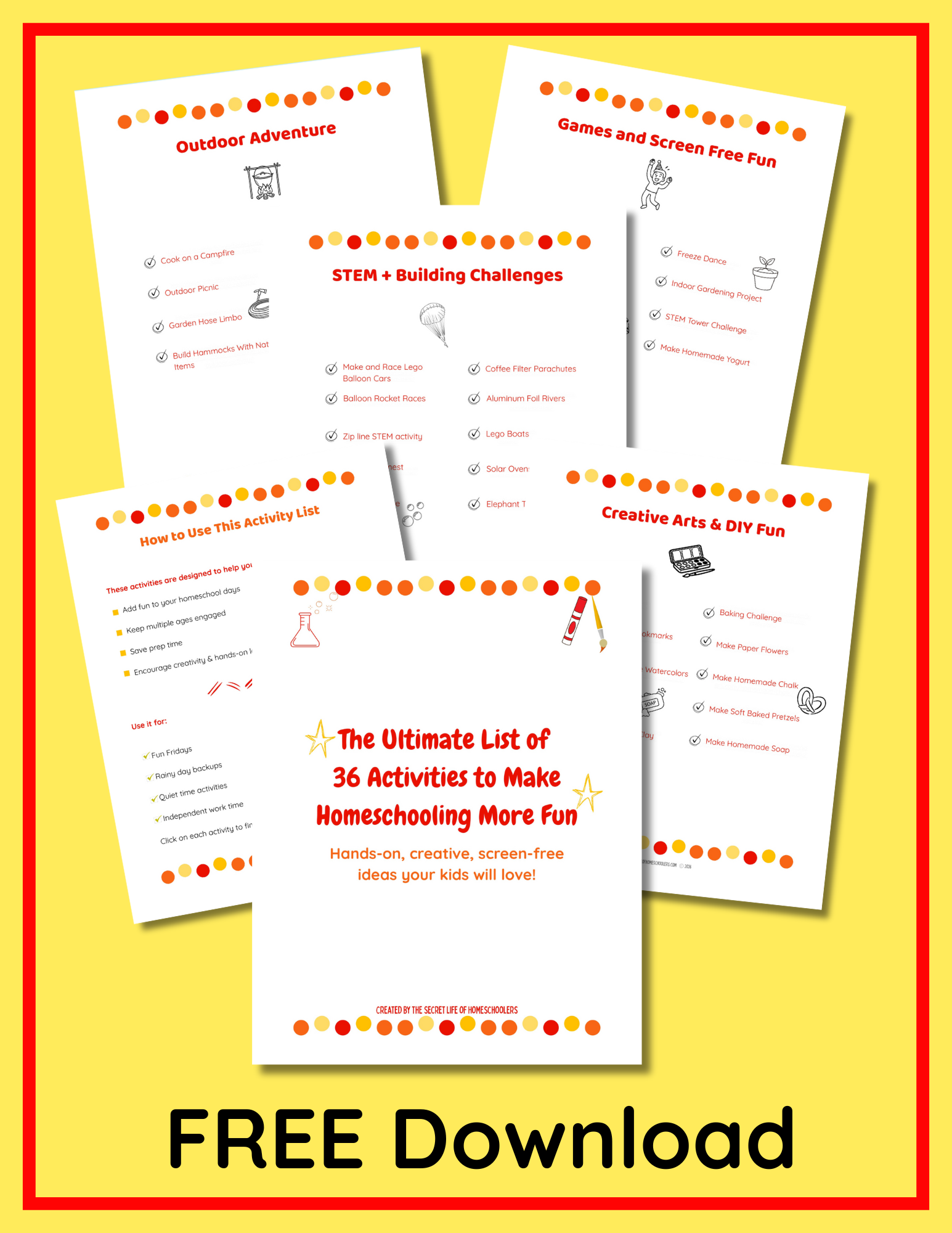
Want some fun things to do with kids? Join my newsletter!
Know When to Seek Extra Help
Sometimes, motivating students at home requires outside support. If your child’s resistance continues no matter what you try, there may be deeper challenges like learning differences, anxiety, or attention issues.
Don’t hesitate to reach out for professional guidance. Getting help early can make a world of difference for your child and bring peace back to your homeschool.
Be Patient with the Process
Finally, remember that motivating students takes time. Attitude changes don’t happen overnight. Focus on small improvements, a better mood, a finished worksheet, or a more positive start to the day.
Every small step counts. You’re not just teaching math or reading; you’re building emotional resilience, perseverance, and a lifelong love of learning.
Final Thoughts: You’re Doing Better Than You Think
Homeschooling a child who resists schoolwork can be tough, but it’s also an incredible opportunity to build trust and strengthen your relationship.
Motivating students isn’t about pushing harder or rewarding more; it’s about understanding their needs, connecting deeply, and creating an environment where learning feels safe and meaningful.
So, the next time your homeschooler says, “I don’t want to do school today,” take a breath. Step back. Reconnect. You’re doing sacred work, helping your child discover not just how to learn, but why learning matters.
And that’s the kind of motivation that lasts a lifetime.
Happy Homeschooling!

Fantastic tips!